





What Is a Good Mileage for a Used Truck
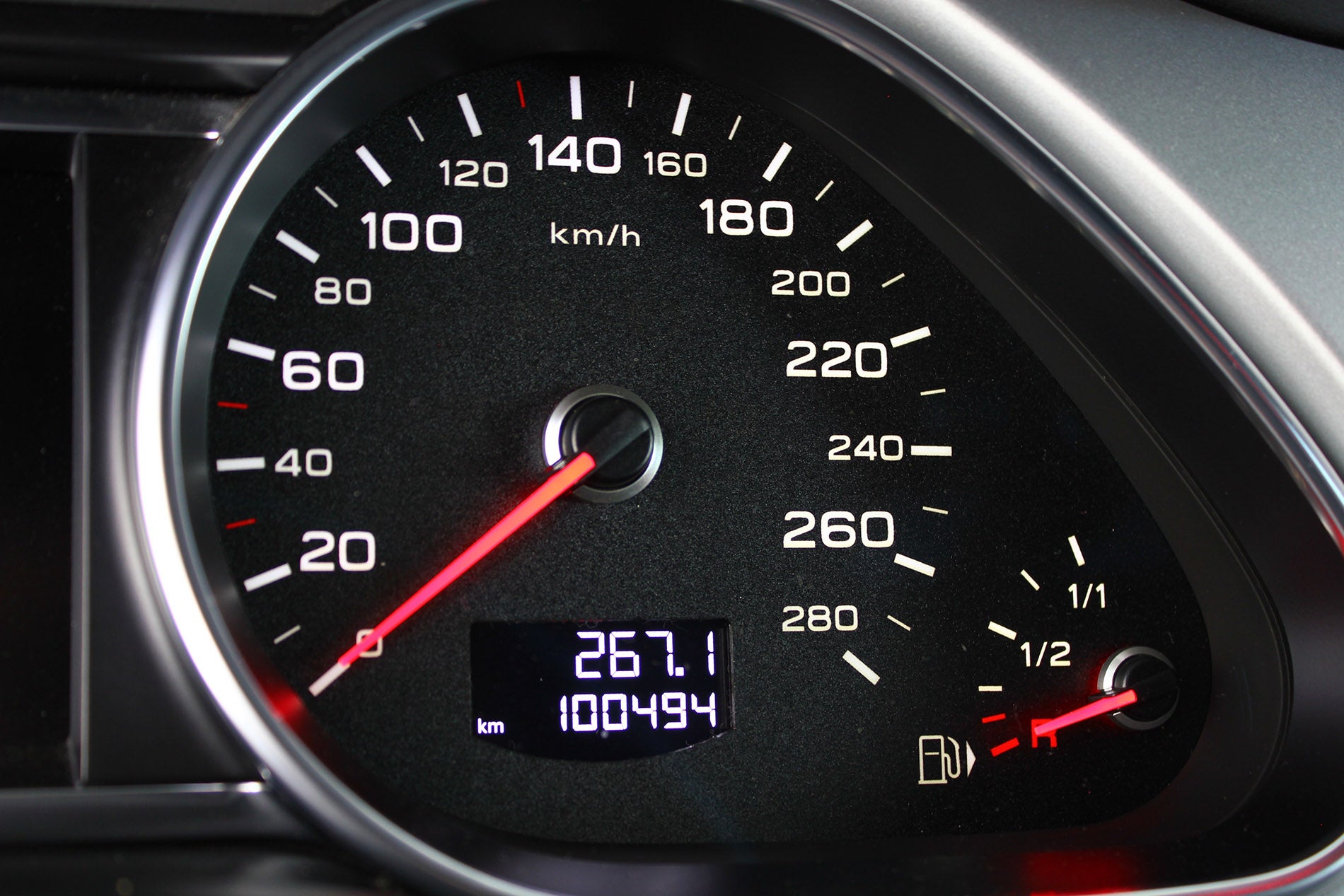
When you’re shopping for a used truck, the number on the odometer can stop you in your tracks. But should it?
Mileage matters when we’re talking about pre-owned vehicles,but don’t let the number itself be a dealbreaker. A 90,000-mile truck that logged the majority of its miles on the highway is different from a 60,000-mile truck that spent years hauling heavy loads to and from job sites. Other factors to consider include whether it was properly maintained and the truck’s age.
The good news is that today's trucks are built tough. It’s common for modern pickups to push past 100,000 miles without breaking a sweat, and well-maintained models can go 200,000 miles and beyond. So don’t let high mileage be an automatic dealbreaker!
But what counts as good mileage on a used truck? The honest answer is: it depends. In this guide, we'll walk you through common mileage ranges and help you figure out whether a used truck is right for your needs.
Understanding Used Truck Mileage
Mileage isn't a pass/fail test. It's a data point, and like any data point, it’s more useful when you know how to read it. Here's a breakdown of common mileage ranges and what they typically mean about a used truck's history and reliability.
Under 50,000 Miles
- Often considered low mileage for a used truck.
- May have less wear on major components.
- The price will typically be higher due to lower mileage.
50,000–100,000 Miles
- The most common range for used trucks.
- Provides a great balance between value and remaining truck lifespan.
- Maintenance history becomes very important in this mileage range. A well-maintained truck in this range is typically a good investment, while one that hasn’t been maintained may be a red flag.
100,000–150,000 Miles
- This mileage range isn’t uncommon for modern trucks.
- If properly maintained, you can still enjoy years of reliable performance.
- Take a close look at the service records if you’re considering a truck with over 100,000 miles on it.
Over 150,000 Miles
- Not an automatic disqualifier, because condition, maintenance, and use matter just as much as the odometer reading.
- Many trucks continue to perform well beyond 150,000 miles.
Factors Beyond the Odometer
As we said, mileage is important, but it doesn't tell the whole story. Here are some other factors to keep in mind:
- Maintenance History - A well-documented service history, including consistent oil changes, scheduled maintenance, and repaired issues, signals responsible ownership. A solid maintenance history is a great predictor of long-term reliability, regardless of the mileage.
- Highway Miles vs. City Miles - Highway driving puts less strain on an engine and drivetrain than the repeated stopping, starting, and idling of city driving, meaning a truck that has put in a lot of highway miles may have considerably more life left in it, even if the mileage is high.
- Overall Vehicle Condition - Worn components, rust, fluid leaks, and evidence of deferred maintenance can signal deeper issues that no mileage figure will warn you about. A thorough inspection should always be part of your buying process.
How Many Miles Is Too Many for a Used Truck?
Crossing the 100,000-mile mark doesn't mean a truck is on its last legs. Modern pickups are built for longevity, and with consistent maintenance, many continue to deliver reliable performance through 150,000 miles and well beyond, some even surpassing 200,000 miles.
Keep the truck’s age in mind, too. The national average sits at roughly 12,000 to 15,000 miles driven per year. A practical rule of thumb: multiply the truck's age by 15,000, and if the odometer reads at or below that number, the mileage is in line with expectations. If a truck’s mileage is above that, pay extra attention to its condition and maintenance history.
Signs of a Well-Maintained Used Truck
Not sure if a used truck has been properly cared for? Here’s what to look at:
- Consistent service records - Oil changes, tire rotations, inspections, and scheduled maintenance are documented proof that the previous owner cared for their vehicle. A paper trail is one of the strongest indicators of responsible ownership.
- Clean vehicle history report - A vehicle history report will tell you critical details about past accidents, title issues, previous ownership, and reported damage. If a seller can't provide one, that's a red flag on its own.
- Smooth engine and transmission performance - A test drive is a must for any vehicle, especially a used truck. Pay attention to how the truck accelerates, idles, brakes, and shifts. Hesitation, unusual noises, or rough shifting are worth investigating before you commit.
- Minimal wear for the mileage - Check the seats, pedals, steering wheel, and truck bed. Some wear is expected, but excessive wear for the truck's age and mileage may indicate harder use than the odometer suggests.
- Even tire wear - Tires with even wear point to proper alignment, a healthy suspension, and regular upkeep. Tire wear may seem like a small detail, but it can tell you a lot.
- No fluid leaks - Get underneath and look for leaks. Any signs of leaks in oil, coolant, or transmission fluid warrant a closer look before the deal moves forward.
- Limited rust and corrosion - A little surface rust can be normal, depending on the region and the truck's age. Significant rust on the frame, underbody, or critical components is a red flag, though.
A few extra minutes of inspection can save you from an expensive mistake, so it’s always worth inspecting a per-owned truck before moving forward.
Mileage Expectations for Popular Trucks
Wondering how some of the most popular trucks stack up when it comes to longevity? Here are a few examples of popular trucks and what you should know when considering them:
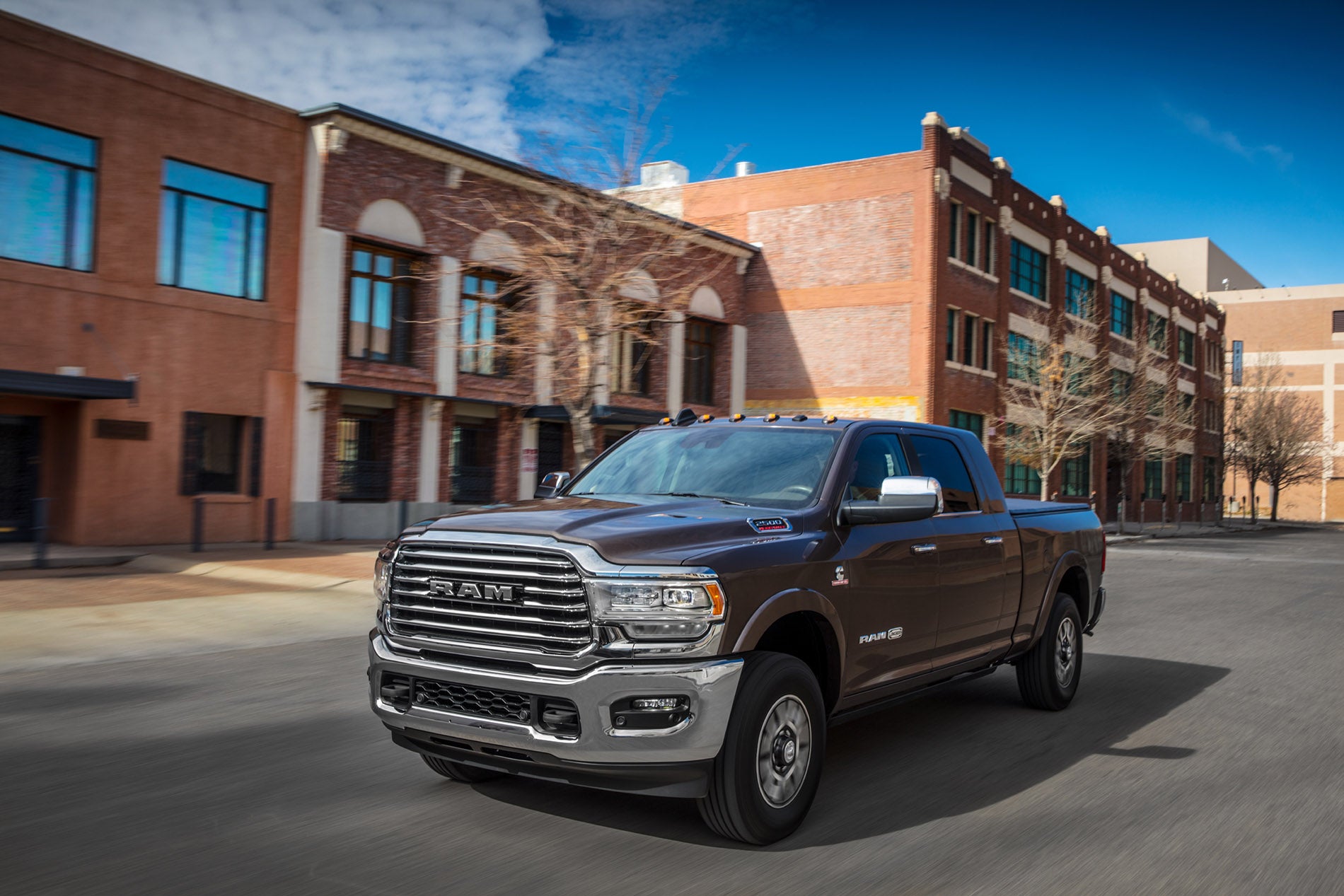
- One of the most popular trucks in the US. It’s known for its comfortable ride and everyday drivability.
- Many owners report exceeding 200,000 miles with proper maintenance.
- A well-maintained used Ram 1500 can continue delivering dependable performance for over a decade.
- This heavy-duty truck is built to handle towing, hauling, and tough workloads without breaking a sweat.
- When well-maintained, a Ram 2500 can last 200,000-300,000 miles.
- It’s a popular choice for drivers who regularly tow trailers, equipment, boats, ATVs, and more.
- Previous towing and maintenance history can provide valuable insight into the long-term reliability of a used Ram 2500.
- One of the most unique vehicles on the road, the Gladiator combines pickup truck utility with Jeep capability.
- Jeep Gladiators typically last 150,000-200,000 miles.
- The Jeep Gladiator was introduced in 2019, so while maintenance history will be short, it’s still an important consideration.
- One of the most popular trucks on the market, thanks to its reliability and versatility.
- Well-cared-for models can easily last over 200,000 miles.
- The Silverado is known for durability, versatility, and long-term reliability.
- It’s not uncommon for a Silverado 1500 to see the 250,000-mile milestone, with some drivers even reporting reaching 300,000 miles.
Find Your Next Used Truck at Legacy CDJR
Now that you know what to look for, let us help you find it. At Legacy Chrysler Dodge Jeep Ram in Florence, SC, we have an extensive selection of used trucks and a team that's genuinely passionate about matching the right buyer with the right vehicle. Whether you have questions about mileage, maintenance history, or anything in between, we're here to help. Come see us today and find the right used truck for your lifestyle!
Shop now:
FAQs
Not necessarily. Modern trucks can perform reliably well beyond 100,000 miles, with some reaching as many as 250,000-300,000 when properly maintained.
In many cases, yes. Mileage is just one piece of the puzzle. Maintenance records, overall condition, and ownership history are strong indicators of a used truck's true value and remaining lifespan.
Highway miles are gentler on your vehicle since they generally create less wear than the stopping, starting, and gear changes of city driving.
Regular towing does accelerate wear on certain components, including the engine, transmission, and cooling system. That said, a properly maintained truck with a towing history isn't necessarily a risky buy. Consistent upkeep can offset the added demands of towing and leave a truck with years of dependable performance ahead of it.