





Ram 1500 Towing Guide
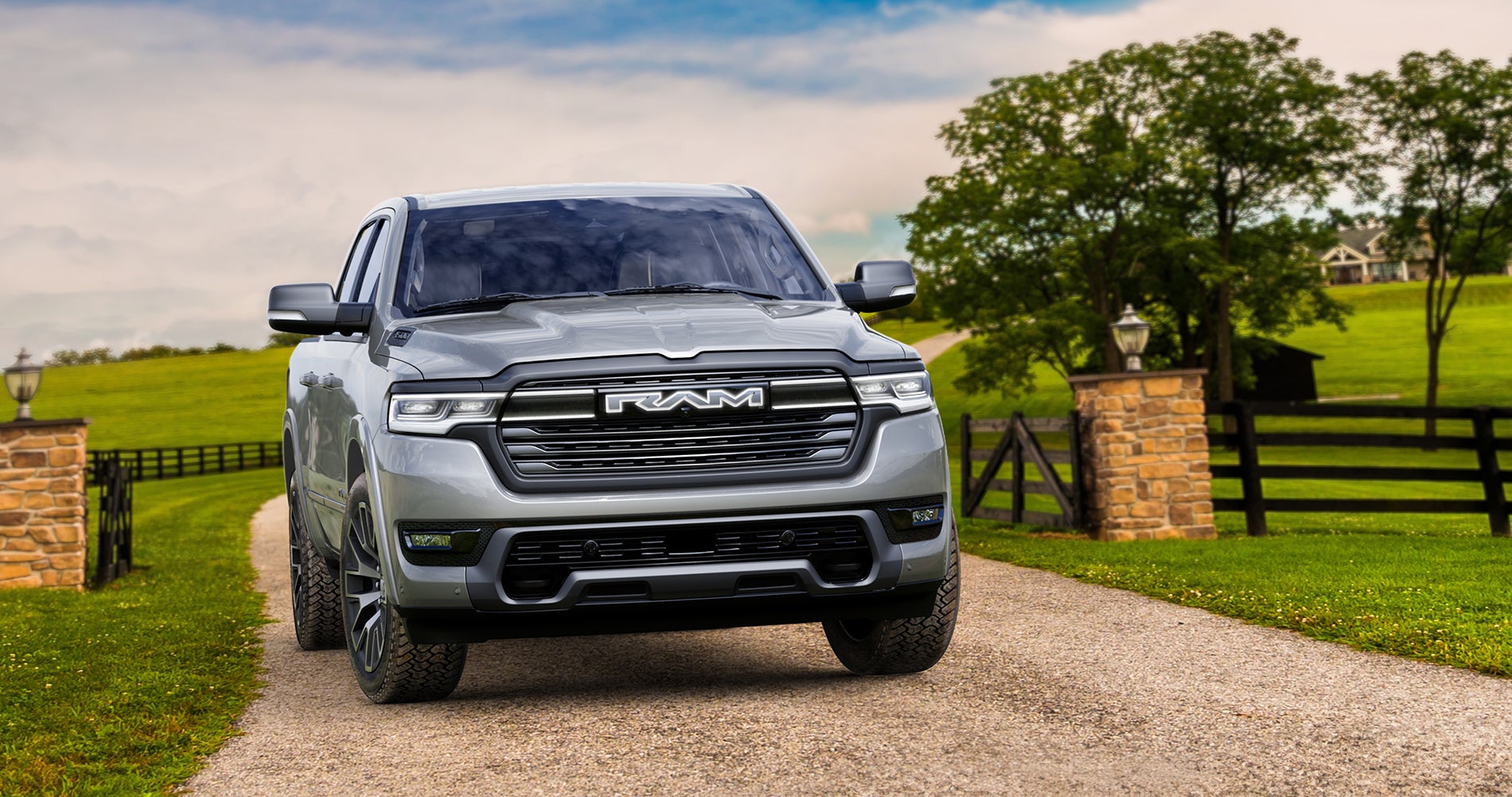
The Ram 1500 is known as one of the most capable and well-rounded trucks on the road, thanks in part to its impressive towing strength. Whether you're hauling trailers, work equipment, or campers, the Ram 1500 gets the job done!
This guide breaks down the Ram 1500 towing capacity, engine options, and everything that influences performance. Once you have a better understanding of each model's capabilities, it's easier to find the truck that best fits your needs.
How Much Can the Ram 1500 Tow?
The Ram 1500 stands out as one of the most capable trucks in its class. When properly equipped, towing capacity can reach up to 11,610 pounds, offering the capability you need for both everyday use and tough jobs.
This kind of towing capability makes the Ram 1500 a practical choice for those who need a truck that can handle more, without moving into a heavy-duty model.
Ram 1500 Towing Capacity by Engine
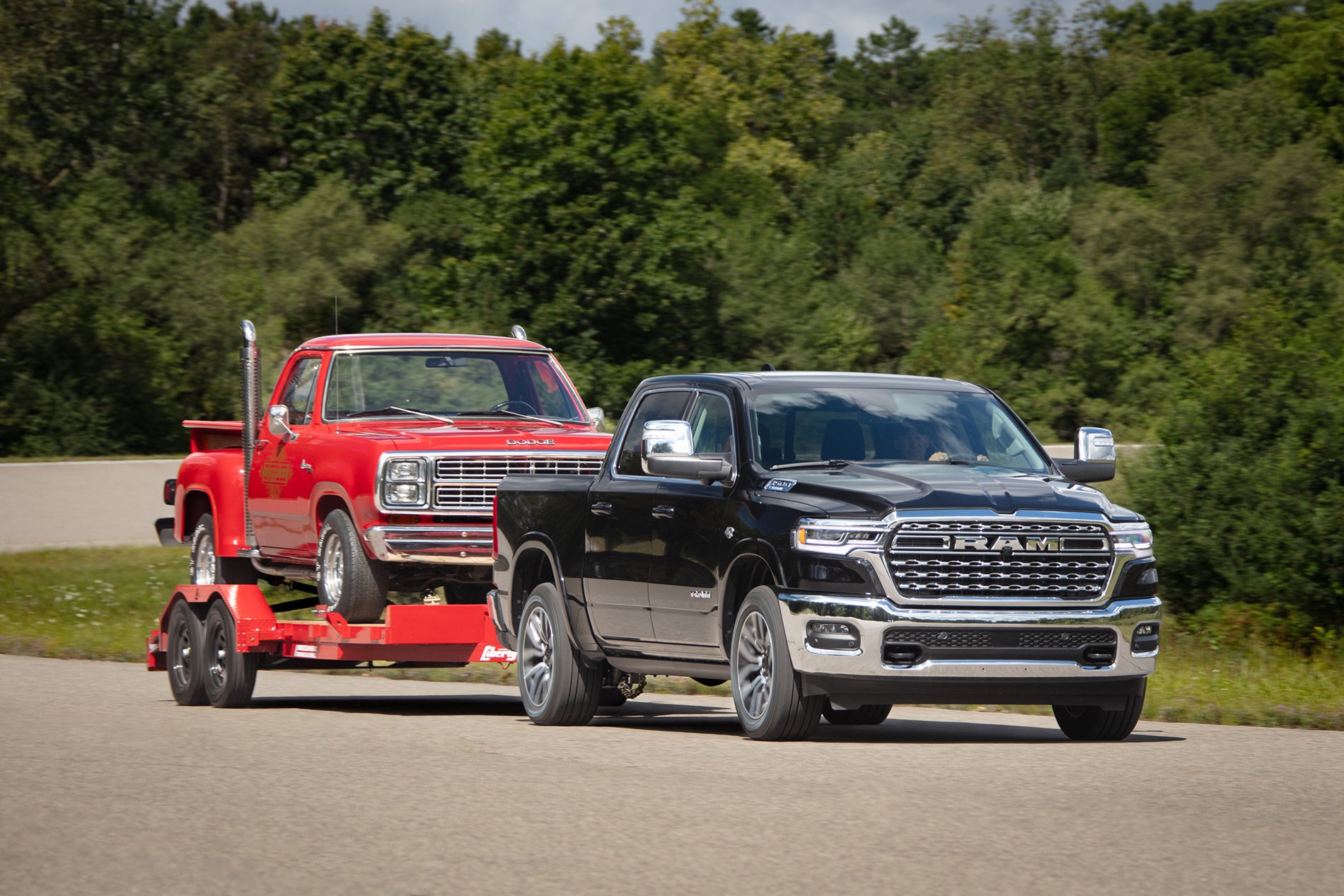
Towing performance depends largely on the engine under the hood. The Ram 1500 is available with a few engine options, each offering a different balance of power and efficiency. Here's a closer look at each of the Ram 1500 engine options:
3.6L Pentastar® V6 With eTorque
- Balanced for daily driving and light towing
- eTorque system supports smoother acceleration under load
5.7L V8 HEMI® With eTorque
- Stronger power for heavier trailers and frequent towing
- Added low-end torque helps when starting with a load
3.0L Hurricane I6 Turbo
- Highest towing capacity in the Ram 1500 lineup
- Turbocharged performance with strong overall capability
High-Output 3.0L Hurricane I6 Turbo
- Tuned for higher overall performance and responsiveness
- Better fit for drivers who want added power beyond towing
Not every Ram 1500 is built the same. Additional factors that impact towing capacity include:
- Engine selection
- Cab size
- Bed length
- Drivetrain
- Axle ratio
- Towing package
Even small differences in configuration can impact overall capability, so choosing the right setup is key.
Ready to find your Ram 1500? Shop inventory at Legacy CDJR.
Shop Ram 1500Key Towing Features & Technology
The best towing experiences happen when everything works together seamlessly, and that's exactly what the Ram 1500 is engineered to deliver. From the moment you hook up to the time you arrive, a range of available technologies work quietly in the background to make towing a breeze.
Your first line of defense against unpredictable trailer movement. The moment it detects sway, it responds automatically by adjusting braking and engine output to restore stability before you've even had a chance to react.
Syncs your truck's braking with the trailer's, eliminating the jerkiness and guesswork that often comes with hauling heavier loads for noticeably smoother stops.
Surround-view and trailer-specific angles address visibility — one of the biggest challenges when towing. Whether you're lining up a hitch or backing into a campsite, you'll have eyes on every angle.
Fine-tunes how the Ram responds under load, optimizing acceleration and shift points so the powertrain always feels composed once you're on the road.
Goes a step further by accounting for the full length of your trailer, giving you more confidence when making lane changes.
It's a complete towing ecosystem that's designed not just to handle the job, but to make it easier than ever.
Payload vs. Towing: What's the Difference?
Payload and towing are often confused, but they refer to two different types of capability. The difference comes down to where the weight sits:
Payload
The amount of weight your truck can carry inside the vehicle itself — passengers, cargo in the bed, and anything added to the truck. Ram 1500 payload capacity can reach up to around 2,360 pounds, depending on how it's equipped.
Towing Capacity
The amount of weight the truck can pull behind it — such as a trailer, boat, or camper. When properly equipped, the Ram 1500 can tow up to 11,610 pounds.
Both numbers matter when you're loading up, planning a trip, or heading to the job site. Going over either limit can affect performance, handling, and overall safety, so it's important to take both into account when choosing the right Ram 1500.
Tips for Safe Towing with the Ram 1500
If you're new to towing with a Ram 1500, taking a few simple steps will keep your trip safe and stress-free:
Before heading out, make sure your hitch is secure, trailer lights are working, and your load is properly tied down.
Place heavier items toward the front of the trailer and keep weight evenly distributed. This helps improve stability and reduces the chance of trailer sway while driving.
Check tire pressure on both your truck and trailer before you leave. Properly inflated tires support better handling and help avoid unnecessary wear or risk on the road.
Use built-in systems like Trailer Sway Control and an available trailer brake controller to help maintain stability and improve braking, especially with heavier loads.
Towing changes how your truck responds. Leave extra space for braking, maintain a steady speed, and be more cautious when merging or driving downhill.
Sharp turns and quick maneuvers can throw off your trailer's balance. Smooth, controlled turns go a long way in keeping everything steady.
Exceeding towing or payload capacity can impact handling and safety. Always make sure your load stays within the truck's rated capability.
For a full checklist and more safety tips, refer to your Owner's Manual.
Experience the Towing Power of a Ram 1500 Today
Ready to see what the new Ram 1500 can do? Schedule a test drive or towing demonstration today to experience its power firsthand! Our team is here to help you find the right model and answer any questions about towing, payload, or available packages.
Browse our Ram 1500 inventory online to check out Ram trucks for sale, or contact your local Ram 1500 dealer today to get started!