



Jeep Wrangler Check Engine Light
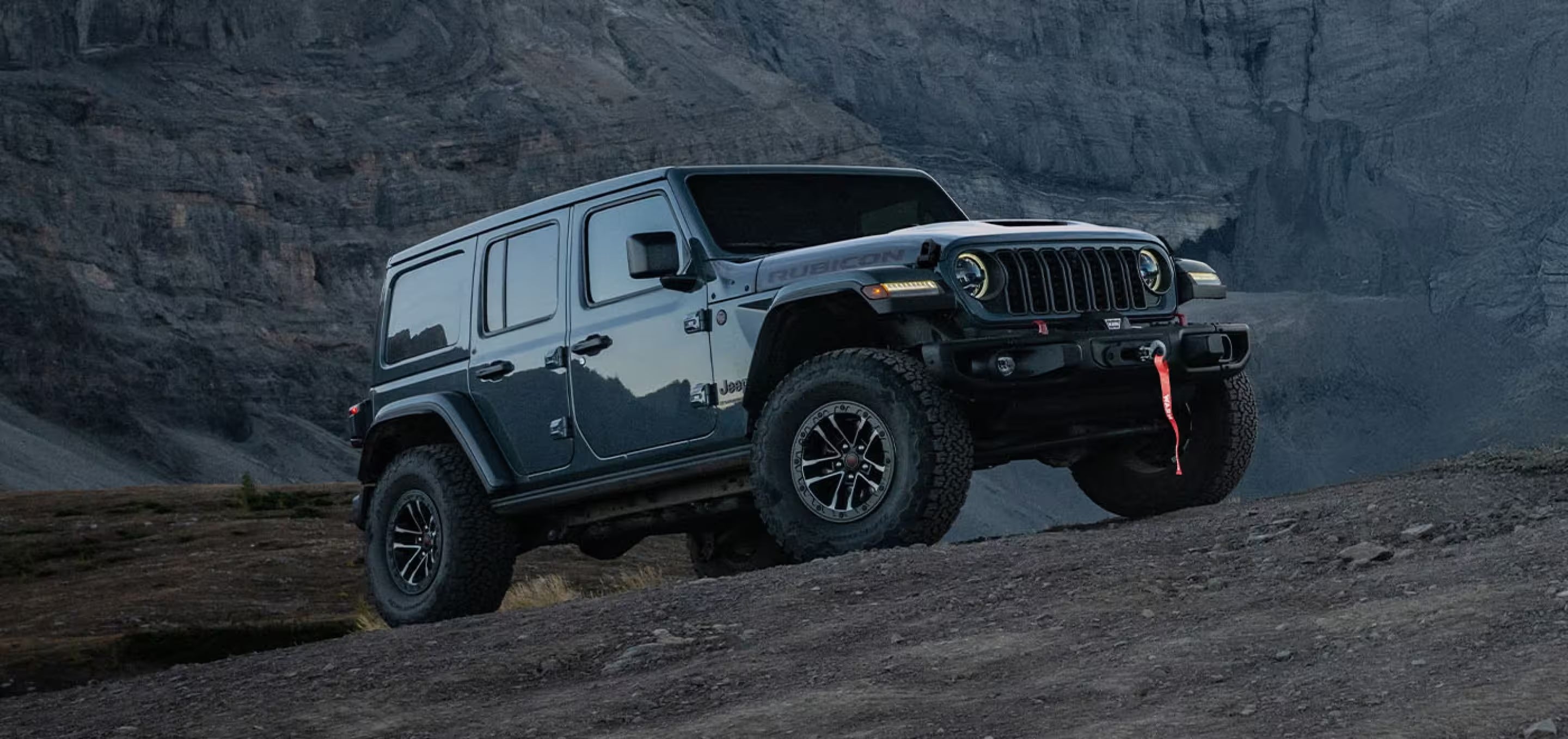
That little amber light can show up anytime, whether you’re heading to work or hitting the trail. It’s easy to put off, but you should take it seriously. The cause could be as simple as a loose gas cap or as complex as a failing catalytic converter, and the sooner you find out, the better.
Knowing what’s causing your Wrangler’s check engine light makes it easier to decide your next move. In this guide, we’ll walk through the most common causes, explain how diagnostic trouble codes work, cover how the light resets itself, and help you figure out when it’s time to book service.
If your Wrangler needs a closer look, the service team at Legacy Chrysler Dodge Jeep Ram, your local Jeep dealership in Florence, SC, is ready to help.
Common Causes of the Check Engine Light Turning On
Your Jeep Wrangler’s check engine light is tied to its onboard diagnostic system, which monitors engine performance, emissions, and other key systems. When it detects something out of range, it can turn on the warning light to alert you.
Here are some of the most common reasons it comes on:A loose or cracked gas cap, a leaking hose, or a bad valve in the evaporative emissions (EVAP) system can let fuel vapors escape from your Wrangler, which is enough to set off the light.
Oxygen sensors measure how much oxygen is in your exhaust. When one of these sensors stops working properly, you may see lower fuel economy, higher emissions, and weaker engine performance.
These keep your Wrangler’s engine firing smoothly. As they wear down or fail, you might notice misfires, a rough idle, or reduced power.
If the thermostat isn’t working correctly, your engine may never warm up to its proper operating temperature. That can turn on the check engine light and store a code like P0128.
Your catalytic converter reduces harmful exhaust emissions. When it loses efficiency, the check engine light may appear, and you might also notice reduced performance.
To learn more, read our guide on why your Jeep’s check engine light is on.
Understanding Jeep Wrangler Check Engine Light Codes
When your Jeep Wrangler detects a problem, its onboard diagnostic system may store a diagnostic trouble code (DTC). Use a compatible diagnostic scanner to retrieve these codes and identify which system needs attention.
Some common Jeep Wrangler codes include:A small leak has been detected in the evaporative emissions (EVAP) system.
Random or multiple-cylinder engine misfires have been detected.
Catalytic converter efficiency is below the expected threshold.
The engine coolant temperature is below the expected thermostat-regulated temperature.
A code identifies a detected condition, but it doesn't always tell you which part needs replacement. Since diagnostic codes and related components can vary by Jeep Wrangler model year and engine, a professional inspection is the best way to identify the underlying issue and prevent unnecessary repairs.
Jeep Wrangler Check Engine Light Flashing vs. Steady
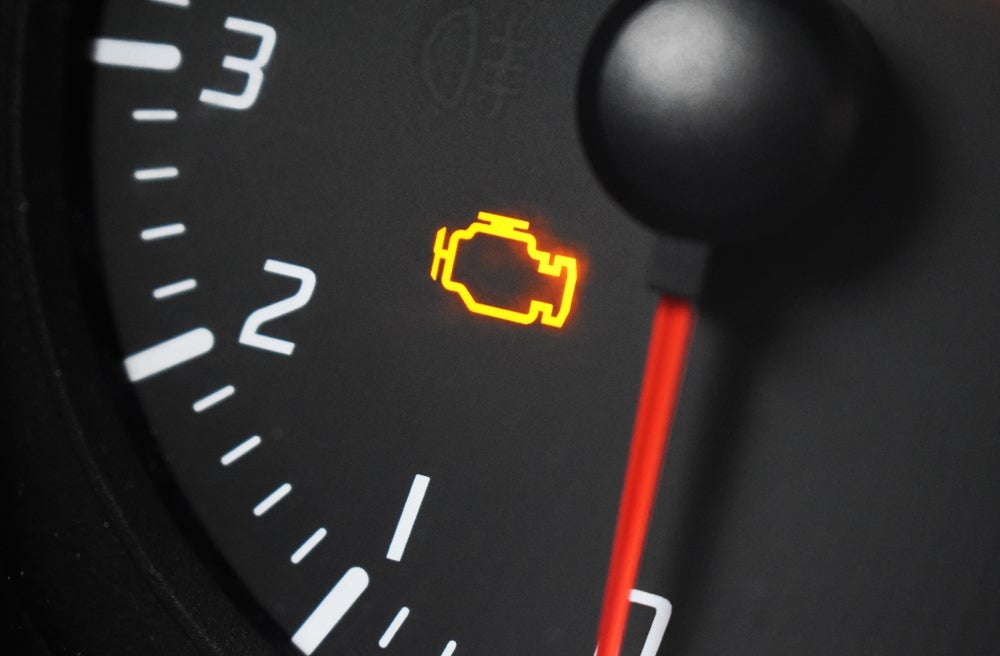
Steady Check Engine Light
A steady check engine light usually means something on your Wrangler needs to be looked at soon, even if it still drives and feels normal.
Flashing Check Engine Light
A flashing light is more urgent. It often points to an engine misfire, which can quickly damage the catalytic converter if it’s not addressed. If your Wrangler’s check engine light is flashing, safely pull over and get it serviced right away.
How to Reset the Check Engine Light on a Jeep Wrangler
Wondering how to reset your Jeep Wrangler check engine light? Before clearing this warning, always identify and resolve the issue. Simply clearing the light doesn’t fix the underlying cause.
- Check Your Gas Cap - If your Wrangler has a gas cap, make sure it's securely tightened. If a loose cap caused the warning, the light may turn off after several driving cycles.
- Have the Trouble Codes Read - A diagnostic scan can identify stored codes and provide information about the potential problem. Once the underlying issue is repaired, a technician can clear the codes.
- Allow the System to Recheck - In some cases, the check engine light will turn off on its own after the problem has been corrected and the onboard diagnostic system completes its checks.
If your Jeep Wrangler check engine light stays on or comes back, schedule a diagnostic inspection.
Schedule Jeep Wrangler Check Engine Light Service at Legacy CDJR
Legacy CDJR's service center is here to keep your Wrangler ready for your next adventure. Our Jeep service technicians use advanced diagnostic equipment to identify check engine light issues and recommend the repairs you need to get you back on the road safely. Our team uses genuine Mopar parts to help maintain its performance and reliability.
Keep your Jeep running smoothly with regular maintenance, including oil changes and spark plug replacements. Schedule a service appointment online or visit us today for Jeep service in Florence, SC!
FAQs
A flashing check engine light can indicate a serious issue, such as an engine misfire. To prevent serious damage, pull over safely and have your vehicle towed to a trusted mechanic.
If the light is steady and your Wrangler runs normally, you may be able to keep driving. However, you should schedule a diagnostic inspection as soon as possible.
There is no set number of miles you can safely drive with the check engine light on. It depends on the underlying issue, so it's best to minimize driving and have your Wrangler inspected as soon as possible.
Yes, the light may turn off on its own once the underlying problem is resolved and your Wrangler completes its diagnostic checks. If it stays on, you may need professional diagnostics.
The cost depends on the issue and the diagnostic testing required. Contact our Jeep service center for current pricing and service availability.