




Legacy Chrysler Dodge Jeep Ram

Blog / 2026 Dodge Durango

New Updates for the 2026 Dodge Durango: What’s Changed?

2026 Dodge Durango


The wait is over—Dodge has officially unveiled the 2026 Durango!

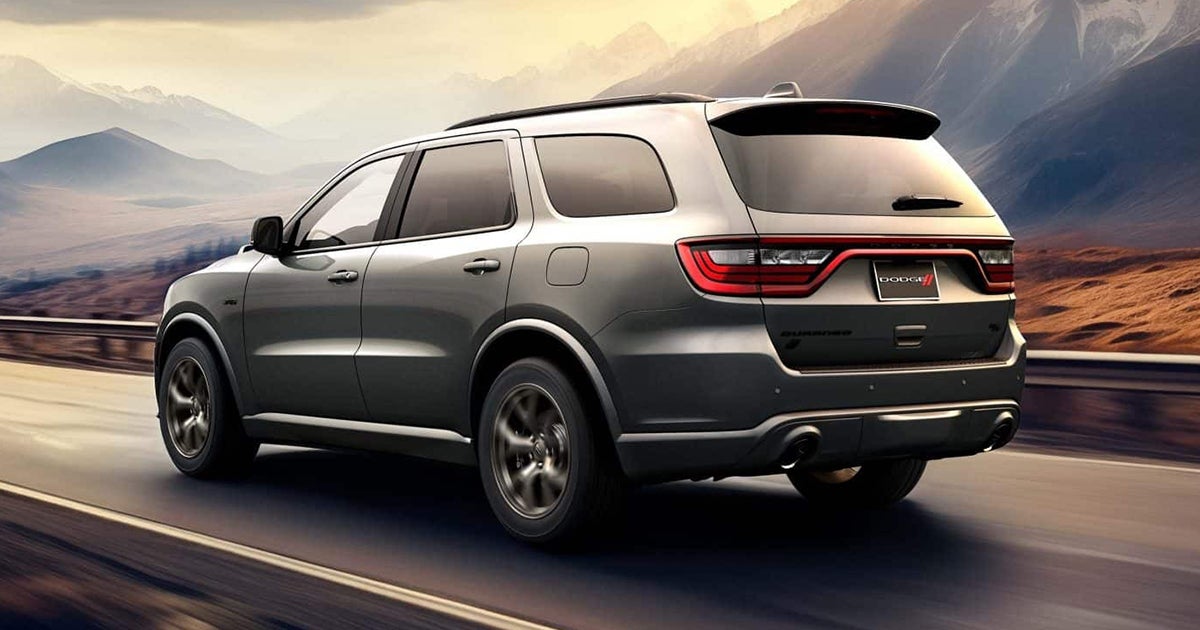
The newest version of this iconic SUV boasts bold updates that blend muscle, style, and innovation like never before. With refreshed powertrain details and expanded performance packages, the latest Durango is built both to turn heads and conquer the road. Highlights for 2026 include a refined wheel lineup, more options for HEMI-powered R/T models, and the introduction of the Blacktop Redline Package, giving you a new way to customize your SUV.

At Legacy CDJR in Florence, SC, we’re excited to walk you through all the new features and upgrades. Whether you're a longtime Durango fan or considering Dodge for the first time, there's a lot to love about the 2026 model!

Trim Level Upgrades and Additions

The 2026 Dodge Durango stands out in the SUV market with V8 power, striking styling choices, and impressive capability—all at an affordable price point. For model year 2026, the popular GT and R/T trims are back, along with new opportunities to customize your ride.

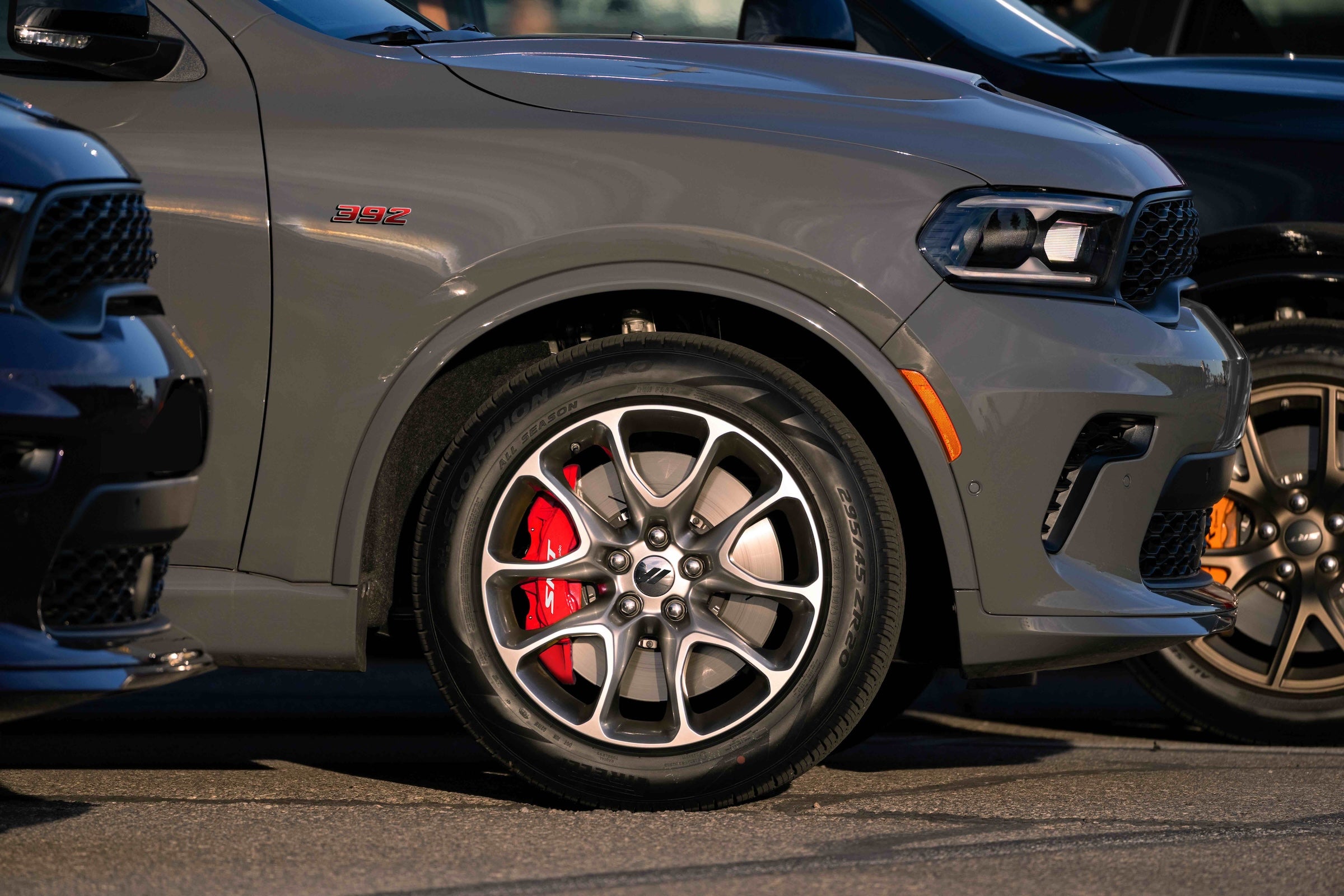
A key highlight is the R/T Blacktop Redline Package. For an additional $3,495, this upgrade makes the already assertive Durango even more distinctive with red accent stripes, a performance hood, SRT-inspired spoilers, and sleek blacked-out badging. You can also choose from three new wheel styles: Satin Carbon, Forged Lights Out, and Black Noise.

The available trims and packages for the 2026 Dodge Durango include:

  • Durango GT: Starting at $38,495
  • Durango R/T: Starting at $49,995
  • Durango SRT: Starting price to be announced
  • Redline Package: An additional $3,495
  • Tow N Go Package: An additional $5,990

Ultimately, the Durango delivers personality, performance, and value in one fun-to-drive, family-friendly vehicle.
Powertrain and Performance Upgrades

Powertrain and Performance Upgrades

The 2026 Dodge Durango redefines what you can expect from a three-row SUV with muscle car-level performance.

The GT trim is powered by a 3.6-liter V6 engine that produces 295 horsepower and 260 lb-ft of torque. This V6 is paired with an 8-speed automatic transmission and standard AWD, offering confident handling and plenty of power for daily driving and light towing.

When you step up to the R/T trim, you’ll unlock the legendary 5.7-liter HEMI V8, boasting an impressive 360 horsepower and 390 lb-ft of torque. Its deep rumble and easy acceleration provide a genuine muscle car feel. The HEMI is complemented by performance suspension tuning, premium Alpine audio, and wireless charging. To top it off, the R/T is the only V8-powered SUV currently available under $50,000.

If you’re looking for ultimate performance, the SRT Hellcat variant will arrive in late Q3, and it’s going to unleash a mind-blowing 710 horsepower. This makes it officially the most powerful gas-powered SUV on the market.

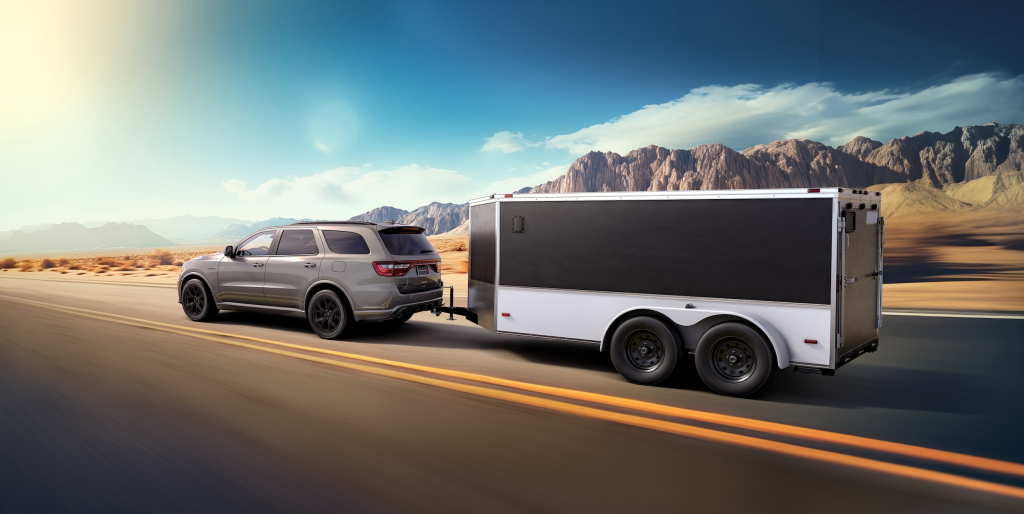
Need a workhorse? Opt for the optional Tow N Go Package. It increases towing capacity to 8,700 pounds and includes adaptive suspension, Brembo brakes, and a limited-slip rear differential for enhanced capability. The package also adds wide-body fenders for an aggressive stance, an SRT exhaust for a signature sound, and Performance Pages with multiple drive modes to customize your driving experience.

The 2026 Durango, especially with V8 power, is proof that performance and practicality can coexist, whether you're towing a boat or cruising the highway.

Experience the 2026 Dodge Durango Up Close at Legacy CDJR

With its refreshed design, expanded HEMI performance options, and bold new features like the Blacktop Redline Package, the 2026 Dodge Durango proves once again why it's a standout among full-size SUVs.

Ready to get behind the wheel? Visit Legacy CDJR in Florence, SC, your trusted Dodge dealership near Columbia, to explore our latest Dodge Durango inventory, learn about Dodge lease deals, and schedule a test drive today! Don’t forget to ask about our Dodge SUV specials, 2026 Durango trims, and new vehicle incentives! We’re here to help you drive home in the Durango that fits your lifestyle and your budget.
Posted in:

Recommended Posts

Best Ram ProMaster Configurations for Small Businesses

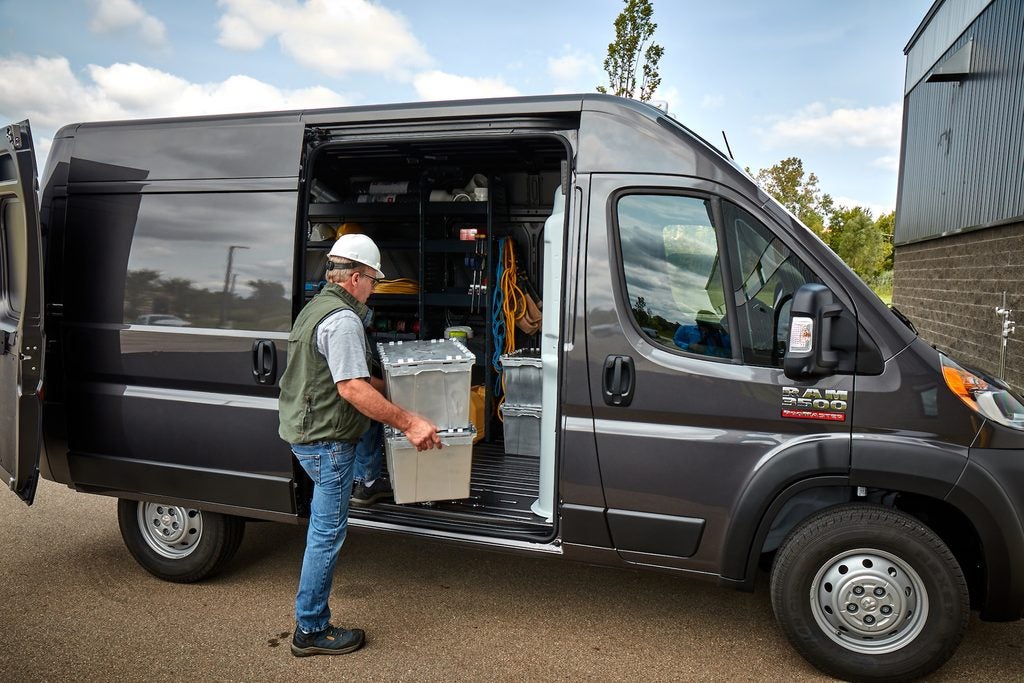
Choosing the right commercial van can make all the difference for a small business. No matter what kind of business you run, your van needs to provide the right balance of cargo capacity, maneuverability, comfort, and capability. The Ram ProMaster is available in several configurations, making it easier to find the van that best matches how your business operates. In this guide, we'll break down the best Ram ProMaster configurations for small businesses, including available body lengths, roof heights, and cargo options. We'll also explain which configurations may work best for different types of businesses, so you can narrow down your choices before visiting Legacy CDJR in Florence, SC. more How to Choose the Right Ram ProMaster Configuration for Your Business No two workdays look the same, and the 2026 Ram ProMaster lineup reflects that. Rather than a single generic cargo van, ProMaster is built around a range of configurations that let you match the vehicle to how you actually work. For small business owners, three factors matter most: wheelbase length, roof height, and payload capacity. Together, they determine how much usable space you get and what kind of work your ProMaster can realistically handle day-to-day. Wheelbase: Balancing Cargo Space and Maneuverability Wheelbase is the biggest determining factor when it comes to usable cargo floor space. Opt for a longer wheelbase, and you get more room for inventory, tools, and shelving, plus more flexibility to section off the interior, whether that's separating clean stock from dirty equipment or building out a mobile workstation. That extra length comes at a cost, though: a bigger footprint. If your day involves tight turns into residential driveways, congested job sites, or parking lots where space is at a premium, a shorter wheelbase can be the more practical choice. The "right" wheelbase is the one that fits your priorities. Ask yourself whether your business needs maximum cargo capacity or the ability to easily get in and out of tight spaces. Roof Height: Making the Most of Interior Space If wheelbase sets your floor space, roof height sets how well you can use the entire space. A taller roof creates vertical room for standing upright, stacking bins, or installing floor-to-ceiling shelving and racking systems. This matters most for businesses where employees are in and out of the cargo area throughout the day. A high-roof ProMaster essentially becomes a mobile workspace: technicians can stand, reach, and organize without hunching over or unloading gear onto the ground just to find what they need. A standard-roof ProMaster, meanwhile, can be the smarter, more efficient choice for businesses that use the van primarily to move materials from point A to point B and don't need much vertical storage. The real question isn't just "how much volume do I need?" It's "how will my team actually move through this space during a shift?" Payload Capacity: Consider More Than Cargo Volume Cargo space tells you what fits, and payload capacity tells you what the van can safely carry. For small businesses, that distinction matters a lot because your total load is rarely just merchandise. When estimating payload, factor in: Tools and equipment Inventory or materials Shelving and storage systems Interior upfits Passengers and additional cargo A van with generous cargo space isn't necessarily the right fit if your typical load runs heavy because you could hit your weight limit long before you run out of room. On the flip side, if your business hauls lighter loads, you have more freedom to prioritize interior layout and organization over sheer capacity. Before settling on a configuration, add up the realistic weight of what you carry on a typical day. If your business regularly runs heavy, payload capacity deserves just as much attention as cargo volume, if not more. Finding the Right Balance Between Space and Usability Bigger isn't automatically better. The largest ProMaster configuration on the lot isn't necessarily the right answer for every small business. The ideal setup is the one that balances cargo capacity, interior organization, payload needs, and maneuverability to match how you actually operate. A longer van gives you more room to haul inventory and equipment, while a shorter wheelbase makes parking and navigating tight spaces easier. The same trade-off applies to roof height: a high roof adds valuable standing room and vertical storage, but a standard roof can be just as practical for businesses that don't need the extra clearance. The best way to cut through the options is to think about your day-to-day, not just your maximum needs. A contractor hauling materials and tools may need floor length and payload capacity above all else. A mobile service provider running from job to job may prioritize tight-space maneuverability and a well-organized interior over sheer size. A delivery-focused business has its own set of priorities entirely, especially if the van is in and out of loading zones multiple times a day. Why Front-Wheel Drive Matters for Business Use The 2026 Ram ProMaster's drivetrain is another factor that shapes how it feels to drive day-to-day. Unlike many traditional cargo vans, the ProMaster is built on a front-wheel-drive layout, with the engine and driven wheels positioned at the front of the vehicle. This design choice helps offset some of the challenges of maneuvering a large commercial van. Size still plays a role in turning radius and parking, of course. But the ProMaster's front-wheel-drive setup is engineered with real-world commercial use in mind, and that translates into a more manageable driving experience for small businesses navigating tight neighborhoods, packed parking lots, and cramped job sites on a daily basis. Choose the Right Ram ProMaster for Your Small Business The Ram ProMaster gives small business owners the flexibility to build a commercial van around their specific needs. Whether you prioritize organized cargo storage, standing room, heavy-duty payload capability, or easier maneuverability, understanding the differences between configurations can help you make a more informed decision. If you're ready to find the right ProMaster for your business, visit Legacy CDJR in Florence, SC. Our team can help you explore available Ram ProMaster options and find a configuration that fits the way you work.

How Much Can the Jeep Gladiator Tow?

How Much Can the Jeep Gladiator Tow?

The Jeep Gladiator is one of the most unique vehicles on the road, combining the open-air freedom and legendary off-road capability of a Jeep with the practicality of a pickup truck. If you're interested in the Gladiator but wondering if it can handle recreational equipment, trailers, and other gear, you're in the right place. The Jeep Gladiator offers a maximum towing capacity of up to 7,700 pounds, depending on the trim and configuration. Every model in the lineup is powered by a 3.6L Pentastar V6 engine producing 285 horsepower and 260 lb-ft of torque. 4x4 capability comes standard, so you'll always have maximum traction on and off the pavement. At Legacy CDJR in Florence, SC, we've put together this guide to help you understand the Gladiator's towing capacity, payload ratings, and performance specifications so you can find the model that's the best fit for your lifestyle. Jeep Gladiator Towing Capacity by Trim The Jeep Gladiator lineup includes seven trim levels: Sport, Sport S, Willys, Rubicon, Mojave, Rubicon X, and Mojave X. While every trim uses the same 3.6L V6 engine, towing capacity varies by configuration and equipment. Jeep Gladiator Trim Standard Towing Capacity Maximum Towing Capacity Maximum Payload Sport 4,500 lbs. 7,700 lbs. 1,050 lbs. Sport S 4,500 lbs. 6,000 lbs. 1,050 lbs. Willys 4,500 lbs. 6,000 lbs. 950 lbs. Rubicon 7,000 lbs. 7,700 lbs. 1,710 lbs. Mojave 6,000 lbs. 7,700 lbs. 1,710 lbs. Rubicon X 7,000 lbs. 7,700 lbs. 1,710 lbs. Mojave X 6,000 lbs. 7,700 lbs. 1,710 lbs. What Engine Does the Jeep Gladiator Have? Every 2026 Gladiator trim is equipped with a 3.6L V6 engine that produces 285 horsepower and 260 lb-ft of torque, providing the power you need for towing and hauling. The engine is paired with an 8-speed automatic transmission and standard 4x4 drivetrain across the lineup. This combination provides a balance of performance and control whether you are towing on the highway or traveling over more challenging terrain. Which Jeep Gladiator Has the Highest Towing Capacity? If maximum towing capability is your priority, several Gladiator trims can tow up to 7,700 pounds when properly configured: the Sport, Rubicon, Mojave, Rubicon X, and Mojave X. The Sport can also reach 7,700 pounds with the appropriate equipment. Jeep Gladiator Payload Capacity Towing is only part of a truck's overall capability. Payload capacity refers to how much weight the Gladiator can carry inside the vehicle and its truck bed. The Gladiator offers maximum payload ratings ranging from 950 to 1,710 pounds, depending on the trim. The Sport and Sport S provide a maximum payload of 1,050 pounds, while the Willys offers 950 pounds. The Rubicon, Mojave, Rubicon X, and Mojave X each provide a maximum payload rating of 1,710 pounds. Payload can include passengers, cargo in the cabin, items carried in the truck bed, and certain trailer-related loads, so it is important to account for all weight when determining how much you can safely carry. Jeep Gladiator Bed and Cargo Capacity In addition to its towing capability, the Gladiator provides a 35.5-cubic-foot truck bed across the trims listed in the chart. This provides plenty of space for carrying equipment, tools, outdoor gear, and other cargo. The combination of a pickup bed and up to 7,700 pounds of towing capacity makes the Gladiator particularly versatile for hauling both cargo and trailers. Jeep Gladiator Brakes and Towing Control The Gladiator's braking equipment also varies by trim. The Sport uses a hydraulic-assist brake booster, while the Sport S and Willys include Advanced Brake Assist. The Rubicon and Rubicon X feature heavy-duty four-wheel anti-lock disc brakes. The Mojave and Mojave X use four-wheel heavy-duty disc brakes with cast-iron knuckles. These braking systems work alongside the Gladiator's other towing and chassis components to help provide controlled performance when carrying or pulling heavier loads. What Can the Jeep Gladiator Tow? With a maximum towing capacity of 7,700 pounds, a properly equipped Jeep Gladiator can handle a variety of recreational and utility trailers. Depending on the weight of the trailer and your specific Gladiator configuration, potential uses can include: Small and medium-sized campers Utility trailers Recreational equipment Boats and personal watercraft Landscaping equipment Motorcycles and ATVs Work and cargo trailers Before towing any particular trailer, always check its loaded weight and compare it with your Gladiator's specific towing rating. Trailer weight can increase significantly once you add passengers, equipment, water, fuel, or other cargo. Find a Jeep Gladiator for Towing in Florence, SC The Jeep Gladiator gives Florence-area drivers the versatility of a pickup with the capability and off-road personality Jeep is known for. The Gladiator is equipped to handle a wide range of towing and hauling needs. If you are shopping for a Jeep Gladiator near Florence, SC, visit Legacy CDJR to explore available models and find the configuration that matches your towing requirements. Our team can help you compare Gladiator trims, towing capabilities, and available features so you can choose the right truck for your next job or adventure. Jeep Gladiator near Florence, SC Legacy CDJR in Florence, SC Frequently Asked Questions About Jeep Gladiator Towing How much horsepower does the Jeep Gladiator have? The Jeep Gladiator is equipped with a 3.6L V6 engine that produces 285 horsepower and 260 lb-ft of torque. How much can the Jeep Gladiator carry in its bed? Maximum payload varies by trim, ranging from 950 to 1,710 pounds. The Rubicon, Mojave, Rubicon X, and Mojave X have the highest maximum payload rating of 1,710 pounds. Is the Jeep Gladiator good for towing? Yes. With up to 7,700 pounds of maximum towing capacity, standard 4x4 capability, a 3.6L V6 engine, and heavy-duty axles, the Gladiator offers strong towing capability for trailers, recreational equipment, and other loads. Your Gladiator's exact towing rating depends on its configuration and equipment.

Is the Jeep Wrangler Reliable?

The Jeep Wrangler is tried and true, earning its reputation as one of the most capable SUVs on the road. Respected for its iconic performance, removable doors and roof, and rugged design, the Wrangler rules the road – and the most challenging trails too. Whether you’re looking for a comfortable daily commute or your next great adventure, the Jeep Wrangler belongs at the top of your list. Since reliability is a must-have for modern drivers, Jeep has perfected the Wrangler’s durable design. In fact, with proper maintenance and consistent care, many Wrangler models remain on the road for well over 200,000 miles! In this guide, we'll explore the Jeep Wrangler’s reliability, expected lifespan, maintenance requirements, common strengths, and more. Read on to learn why this legendary SUV is a smart choice for drivers in Florence, SC and beyond. more Decades of Durability One of the biggest reasons the Jeep Wrangler has continued to gain popularity over the years is its rugged engineering. Unlike many SUVs that focus mainly on pavement driving, the Wrangler is finely-tuned to tackle even the most demanding terrain with confidence. Every Wrangler proudly wears the Trail Rated badge, proving its innate capability in these categories: traction, water fording, articulation, maneuverability, and ground clearance. Not one to rest on its laurels, Jeep has continued to improve the Wrangler while highlighting the toughness that made it famous. Key features that contribute to long-term durability include the following: Heavy-duty body-on-frame construction Proven four-wheel-drive systems High-strength suspension components Skid plates and underbody protection on many trims Available locking differentials and disconnecting sway bar for extreme off-roading How Long Does a Jeep Wrangler Last? When properly maintained, many Jeep Wranglers are still running well over 200,000 miles. That means that countless owners keep their Wranglers for well over a decade – a claim that less durable auto brands can’t make. Several factors affect longevity, including: Following the recommended maintenance schedule Performing timely oil changes Rotating tires regularly Replacing worn suspension components as needed Addressing repairs before they become major problems Avoiding excessive off-road wear Reliability Starts with Regular Maintenance Like any vehicle, the Wrangler’s reliability is directly tied to maintenance. That’s why Jeep provides clear maintenance schedules that help owners keep their Wrangler running right. Routine maintenance includes: Service Recommended Importance Oil and filter changes Keeps the engine properly lubricated Tire rotations Promotes even tire wear Brake inspections Maintains stopping performance Fluid inspections Helps protect major systems Air filter replacement Improves engine efficiency Suspension inspections Optimizes off-road driving Keeping up with these services can significantly improve the Wrangler's long-term reliability while reducing the likelihood of unexpected repairs. Modern Technology Adds Everyday Confidence Today's Jeep Wrangler combines unmatched capability with advanced technology that helps improve both convenience and driver confidence. The latest models include numerous available safety and driver-assistance features designed to support daily driving in addition to off-road adventures. Available technology includes: Adaptive Cruise Control Forward Collision Warning Blind Spot Monitoring Rear Cross Path Detection Uconnect infotainment system Wireless Apple CarPlay compatibility Wireless Android Auto compatibility Large available touchscreen display These modern features add convenience and comfort to your experience behind the wheel, no matter where you’re headed! Strong Resale Value Reflects Long-Term Confidence Reliability significantly influences resale value, with durable vehicles retaining their value over time. The 2026 Wrangler does just that, earning the 2026 J.D. Power U.S. ALG Best Residual Value Award among Compact SUVs. Value-packed vehicles like the Wrangler are a wise long-term investment. Here’s what sets them apart: High owner demand Trusted durability Excellent aftermarket support Long production history Consistent engineering advancements Tips for Keeping Your Jeep Wrangler Reliable Whether you use your Wrangler for everyday drives or weekend excursions, we recommend the following to lengthen its lifespan: Stick to Jeep's recommended maintenance schedule. Wash the undercarriage after driving through mud, sand, or road salt. Inspect suspension and steering components after off-road travels. Rotate tires regularly. Utilize only genuine Mopar or high-quality parts for repairs. Address warning lights immediately. Keep current with software updates. Find a Reliable Jeep Wrangler at Legacy CDJR in Florence, SC Ready to redefine your drive in a new Jeep Wrangler? Visit Legacy Chrysler Dodge Jeep Ram in Florence, SC to shop our huge selection of Jeep SUVs! Our team is here to help you compare Wrangler trims, explain available features, and find the model that best fits your lifestyle. Whether you're mapping out your next off-road trek or simply want an SUV that's built to last, you’ve come to the right place. Hurry in today! Frequently Asked Questions Is the Jeep Wrangler considered a reliable SUV? Absolutely. The Jeep Wrangler is generally considered a reliable vehicle when properly maintained. Its durable design, rugged construction, and proven four-wheel-drive systems promise top-notch performance on and off the road. How many miles can a Jeep Wrangler last? Many Jeep Wranglers last between 200,000 and 300,000 miles with proper maintenance and responsible driving habits. Is the Jeep Wrangler expensive to maintain? While maintenance costs are comparable to other midsize SUVs, drivers who venture off-road often may require more frequent inspections and replacements to swap out worn components like tires and suspension parts. Does off-roading reduce Jeep Wrangler reliability? Off-roading itself does not necessarily reduce reliability, but it does add stress on the Wrangler. Following Jeep's recommended inspections and maintenance after off-road use can help promote long-term dependability. Why do Jeep Wranglers hold their value so well? The Wrangler benefits from high consumer demand, reputable capability, unrivaled engineering, and decades of brand recognition. It also earned the 2026 J.D. Power U.S. ALG Best Residual Value Award among Compact SUVs, reflecting its excellent long-term value.